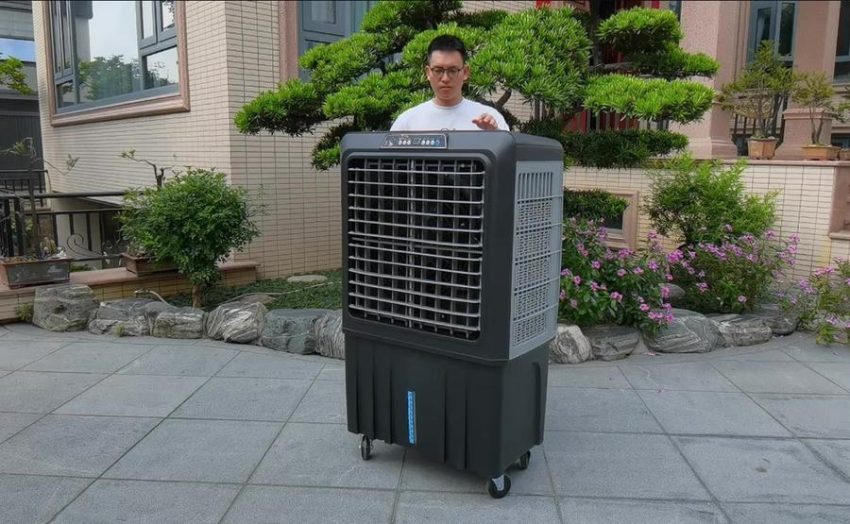
In regions where temperatures easily rise above 40-45°C, HVAC systems are no longer just an engineering solution. They are becoming a critical part of daily life, affecting comfort, expenses, and even health. At the same time, the increase in energy consumption forces us to look for more accurate and flexible approaches. This is where smart HVAC systems come in, combining automation, IoT, and data analytics, often complementing broader cooling and heating solutions used across residential and commercial spaces.
Energy Efficiency And Real Costs
Energy is the main expense in the operation of buildings. Especially where the cooling works almost non-stop. Smart HVAC systems use sensors and algorithms to reduce unnecessary energy consumption. They don’t just turn on and off, but constantly adjust to the current situation.
Sometimes it looks unnoticeable. For example, the system reduces power at night or in empty rooms. But it is precisely such details that give the result. On average, savings reach up to 8% annually. With deeper automation and integration with BMS, this figure can grow up to 30%.
And if you add presence sensors and employment management, operating costs are reduced even more. In some cases, up to 30-50%. Inverter compressors and variable speed additionally reduce the load. This reduces electricity consumption by up to 40%.
Automation, IoT And Real-Time Management
Modern HVAC systems have long gone beyond conventional thermostats. Today, these are full-fledged digital ecosystems. The Internet of Things integrates temperature, humidity, and CO₂ sensors into a single network. All data is collected, analyzed, and used to make decisions.
The system can determine by itself when the room is empty. Or when more cooling is needed. It adapts to the user’s behavior, sometimes even faster than he notices it himself. Management becomes flexible. A smartphone, tablet or voice assistant all this turns into a control interface.
At the same time, automation is constantly working. In real time. Without pauses. This reduces the load on the equipment and increases its efficiency. Even small deviations are recorded immediately. For example, a drop in efficiency ratio (COP) of just 0.1 is already a signal for analysis.
Comfort, Air And Reliability

Comfort is a broader concept than temperature. This is both the air quality and the stability of the system. Smart HVAC systems take both factors into account. They use HEPA filters, UV-C technology and intelligent ventilation. This helps to purify the air from dust, allergens and microorganisms.
But reliability is equally important. This is where predictive maintenance comes to the fore. The system monitors the condition of the equipment and warns about possible problems in advance. This reduces the risk of sudden breakdowns. And it allows you to schedule maintenance without haste.
Regular monitoring and prevention increase the service life of the equipment by 20-30%. Sometimes even up to 40%. This directly affects the ROI. After all, replacing an HVAC system is one of the most expensive processes.
However, there is another side. The more connected devices there are, the higher the risks. Cybersecurity is becoming a mandatory part of the operation. Data protection, updates, and standardization of IoT are no longer an option, but a necessity.
Smart HVAC systems are gradually changing the very approach to building management. They make processes more accurate, flexible, and predictable. And although the initial investment may be high, the long-term effect becomes apparent fairly quickly.

I specialize in administrative technologies and am responsible for training other employees to use advanced systems and applications, including accounting software, mass communication procedures and organizational applications